In the past, interior design was often seen as purely aesthetic—choosing the right curtains or the perfect shade of paint. However, as we move through 2026, the industry is shifting. Today, great design is measured by its impact: how it affects our health, our utility bills, and the planet.
This is where Sustainable Interior Design comes in. Here is how you can create a space that is as kind to the Earth as it is beautiful.
1. The Power of “Low-VOC” Materials
Have you ever noticed a strong “new car” or “fresh paint” smell? Those are often Volatile Organic Compounds (VOCs). Sustainable design prioritizes non-toxic, low-VOC paints and finishes. This improves Indoor Air Quality (IAQ), reducing respiratory issues and making your home a healthier sanctuary.
2. Energy Efficiency through Spatial Planning
As an engineer would tell you, how you arrange a room affects its temperature.
-
Thermal Mass: Using materials like stone or brick can help regulate indoor temperatures.
-
Window Treatments: Strategic use of blinds or “living walls” (indoor plants) can provide natural insulation, reducing the need for heavy air conditioning.
3. Water Conservation in Style
Sustainability extends to the bathroom and kitchen. Modern interior design now integrates “Low-Flow” fixtures that look like luxury hardware but save thousands of liters of water annually. From dual-flush toilets to aerated faucets, conservation is now a high-end design feature.
4. Upcycling and Longevity
The most sustainable furniture is the piece that already exists. “Upcycling”—the art of refinishing old furniture—adds a unique, soulful character to a room that mass-produced items cannot match. Additionally, choosing quality over quantity ensures that furniture doesn’t end up in a landfill three years from now.
5. Biophilic Design: Bringing Nature In
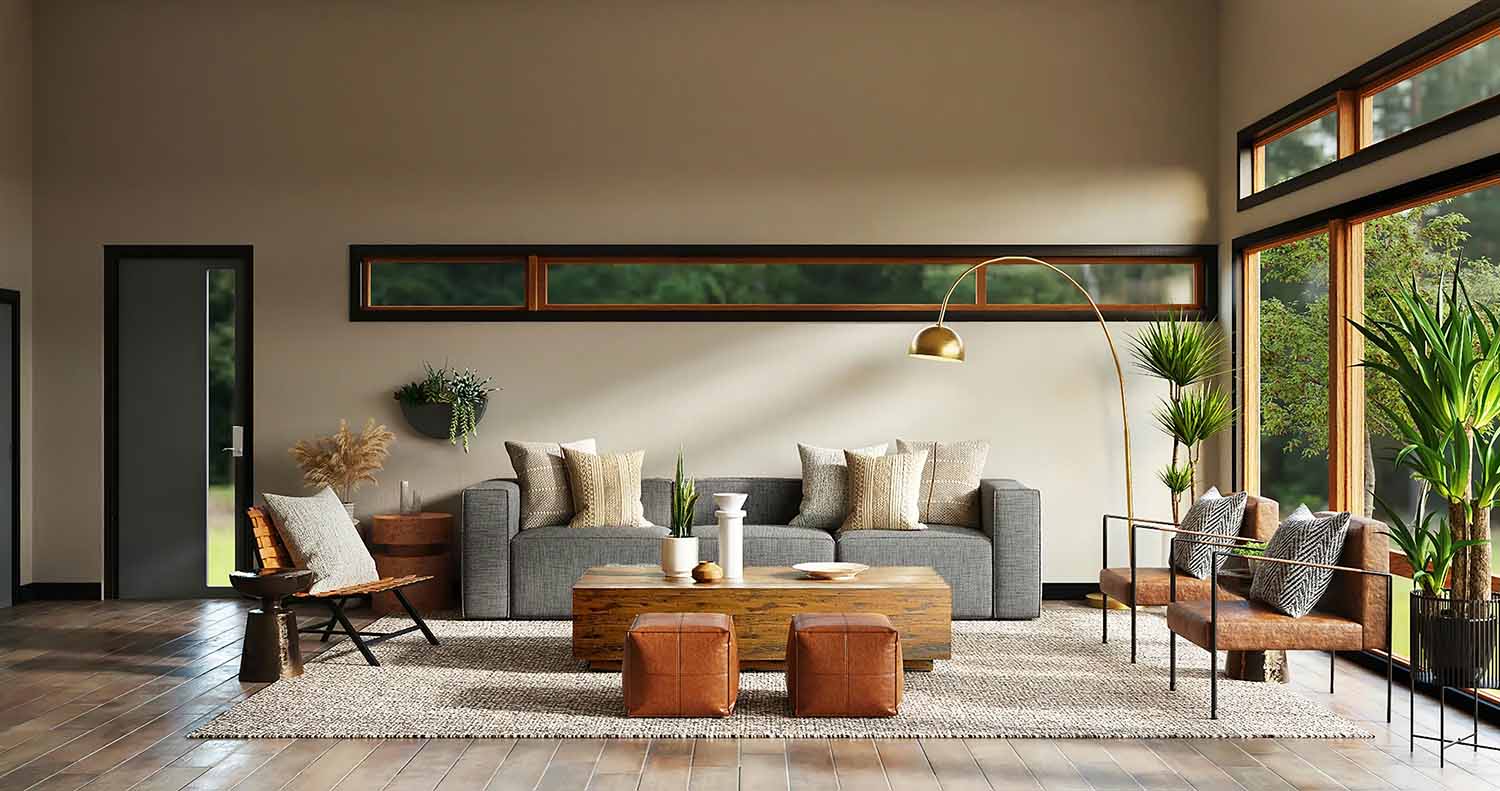
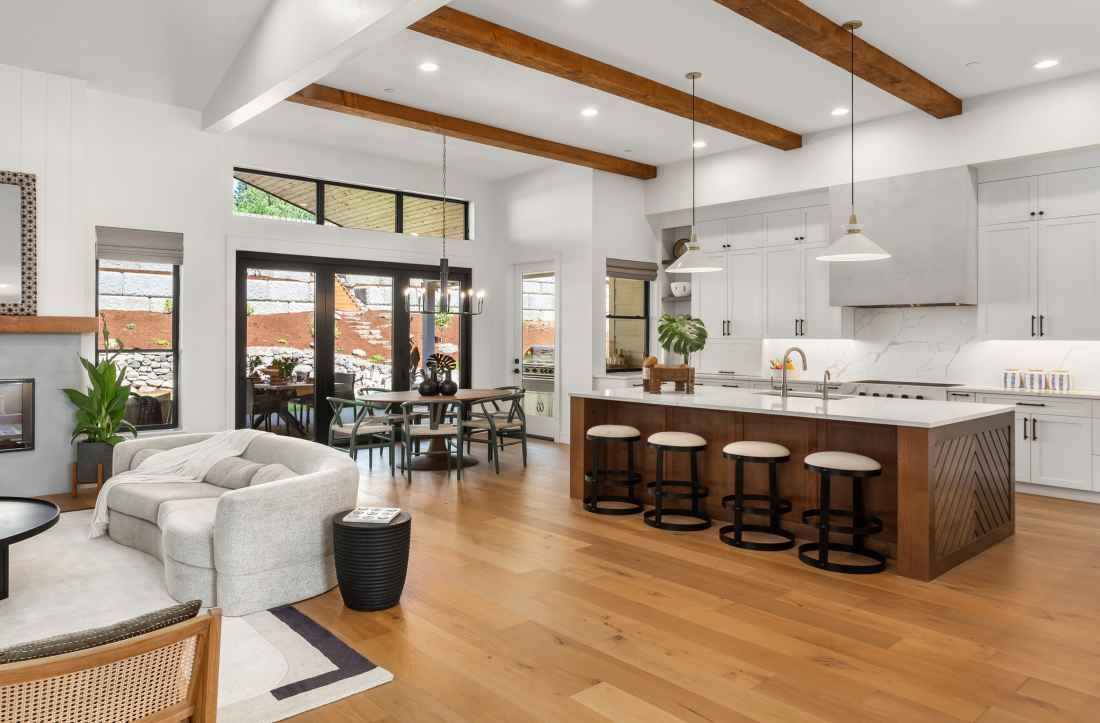
Humans have an innate need to connect with nature. Biophilic design uses natural light, organic shapes (like wood grains), and indoor greenery to reduce stress and increase productivity. It’s not just about putting a plant in a corner; it’s about making nature a core element of the room’s layout.
The Bottom Line
Sustainable design isn’t a trend; it’s a responsibility. By merging engineering principles with artistic vision, we can create homes that are efficient, healthy, and timeless.