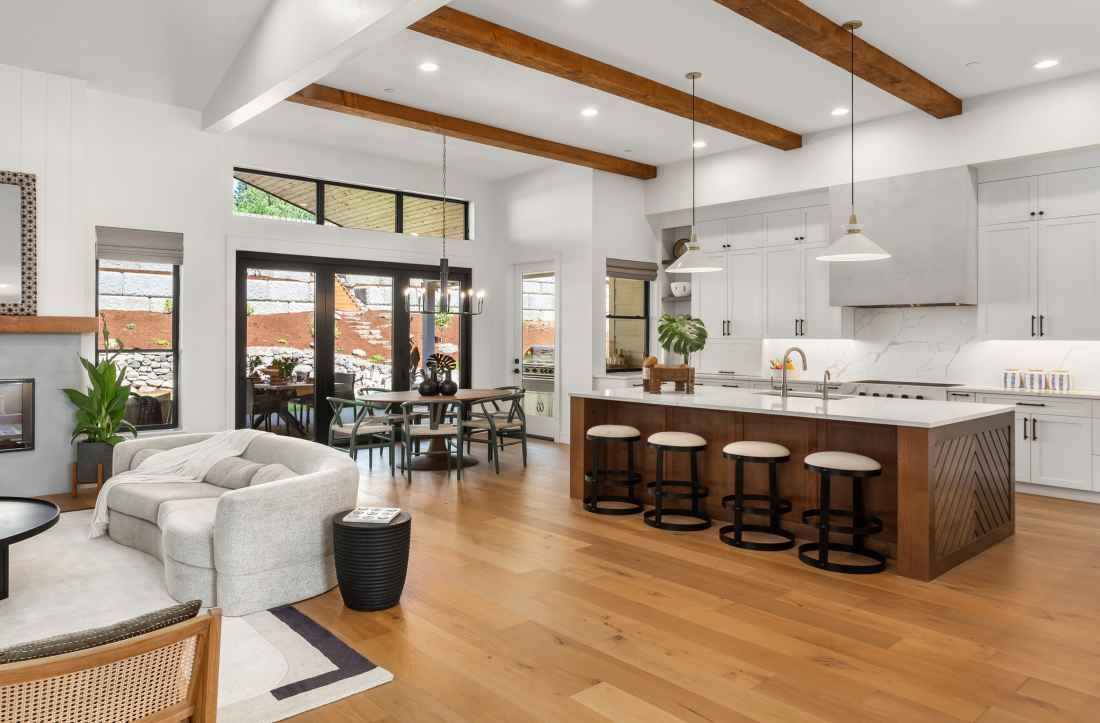
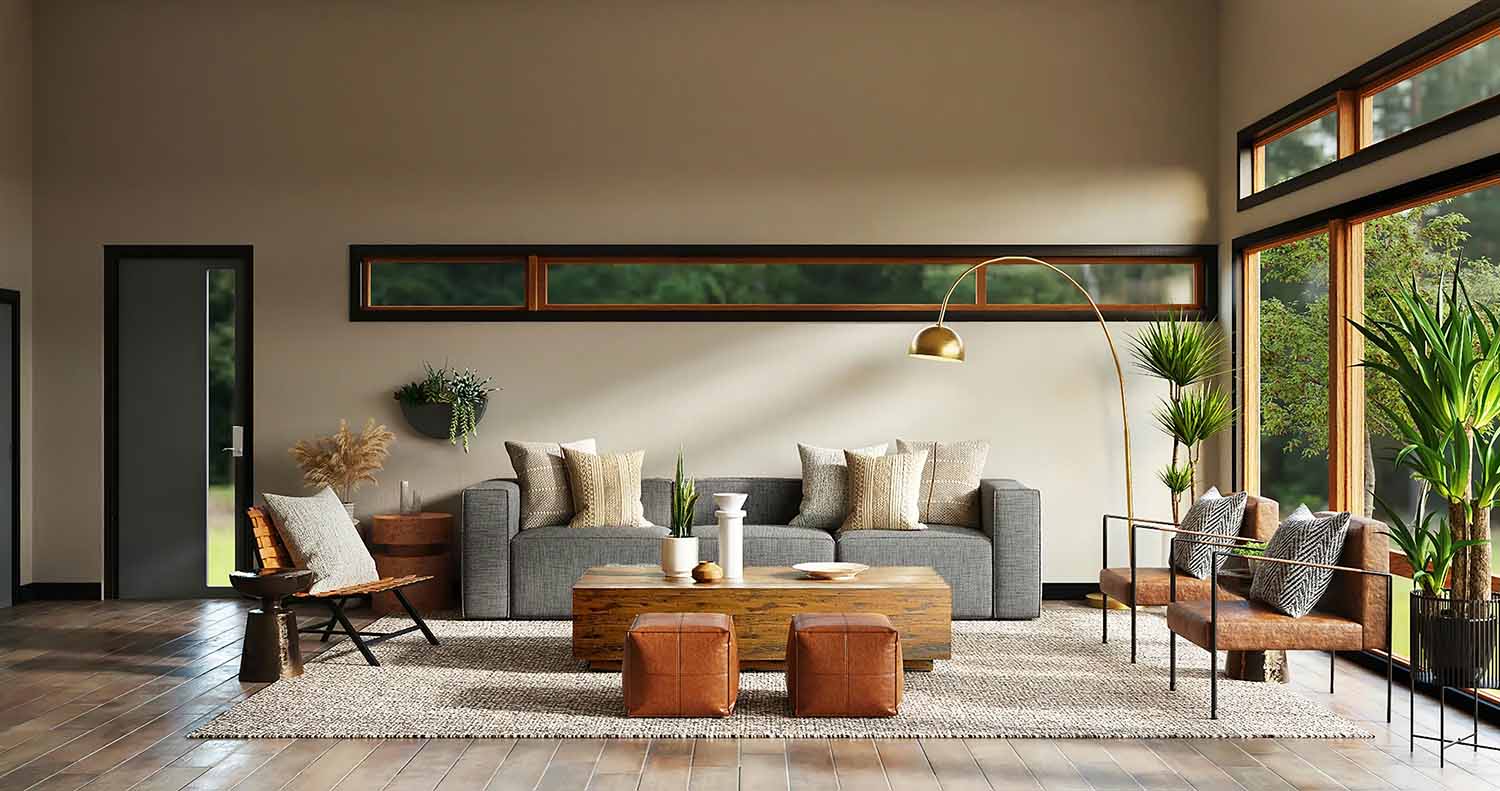
Designing a room isn’t just about picking out a sofa you like or a paint color that caught your eye. It is a delicate science of balancing seven specific “building blocks” that professional designers use to create harmony in a space.
Whether you’re moving into a new home or refreshing an old one, here are the 7 Elements of Interior Design and how to use them like a pro.
1. Space
Space is the foundation of every design. In the world of interior design, we think of space in two ways:
-
Positive Space: The areas occupied by objects (furniture, decor, appliances).
-
Negative Space: The empty areas that allow for movement and “visual breathing room.” How to Use It: Strike a balance. If a room has too much negative space, it feels cold and unfinished. Too much positive space, and it feels cluttered. Aim for enough negative space to create clear pathways (usually about 3 feet wide) so the room feels intentional.
2. Line
Lines act as the visual guides of a room. They can be horizontal, vertical, or dynamic.
-
Horizontal Lines: Found in tables and bed frames; they create a sense of stability and calmness.
-
Vertical Lines: Created by windows and tall bookshelves; they draw the eye upward and make a room feel taller.
-
Dynamic Lines: These are curves, zigzags, or diagonals (think staircases or bold wallpaper patterns) that add energy and movement. How to Use It: Use vertical lines to add height to a basement or small room, and horizontal lines to make a narrow hallway feel wider.
3. Form
Form refers to the shape of the room itself and the 3D objects within it. Forms can be Geometric (man-made, sharp edges) or Natural (organic, curved). How to Use It: Avoid using too many boxy forms in one space. If you have a rectangular sofa and a square coffee table, balance them with a round mirror or a curved vase to soften the room.
4. Light
Without light, the other elements don’t exist. Quality lighting is split into three categories:
-
Ambient: General overhead lighting.
-
Task: Functional lighting for reading or cooking.
-
Accent: Spotlights used to highlight art or architecture. How to Use It: “Layer” your lighting. Instead of relying on one bright overhead bulb, use a mix of floor lamps, sconces, and natural sunlight to create depth and mood.
5. Color
Color is the most psychological element—it has the power to change how you feel.
-
Warm Colors (Reds, Yellows): Create energy and are great for social spaces like dining rooms.
-
Cool Colors (Blues, Greens): Bring tranquility and are ideal for bedrooms and home offices. How to Use It: Use the 60-30-10 rule: 60% dominant color (walls), 30% secondary color (upholstery), and 10% accent color (decor).
6. Texture
Texture adds dimension and keeps a room from looking “flat.” It can be Tactile (how it feels to the touch, like a velvet pillow) or Visual (how it appears to feel, like a marble pattern). How to Use It: Layer different textures to add richness. Mix smooth materials like metal and glass with rough materials like wood or a shaggy rug to make the space feel lived-in and cozy.
7. Pattern
Pattern adds personality and rhythm. It tells a story through repeated shapes, whether they are floral, geometric, or abstract. How to Use It: Be careful not to overwhelm the space. If you have a bold patterned rug, keep your sofa a solid color. In smaller rooms, use smaller-scale patterns to keep the space from feeling “cramped.”
Final Thought
The secret to great interior design isn’t choosing the most expensive furniture; it’s about the relationship between these seven elements. When you master the balance between space, light, and texture, any room can look like it was designed by a professional.